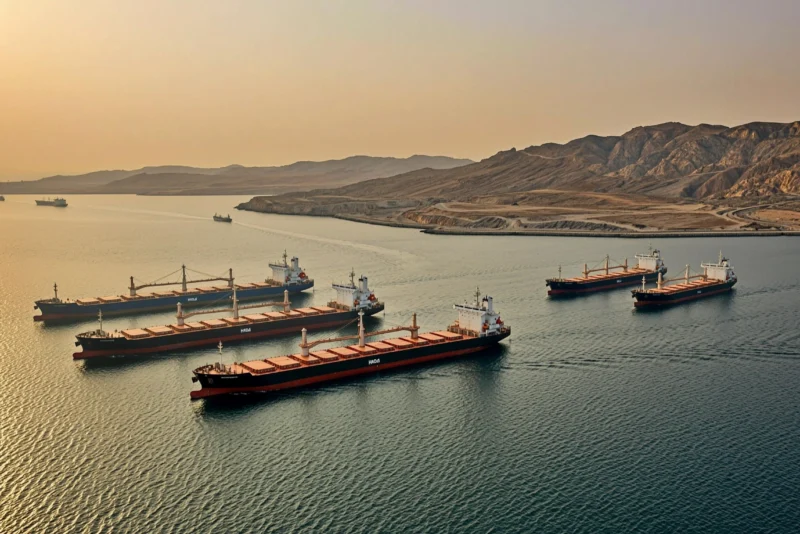
Both sides agree on what should be inspected. They cannot agree on when. Negotiators in Muscat have narrowed their differences to a single issue, according to three diplomats familiar with the talks: how quickly inspections would begin after an agreement is signed. Tehran wants a ninety-day window; the other parties are pressing for thirty. The gap sounds small but carries real weight. A longer window gives Iran time to reposition equipment, while a shorter one risks an agreement collapsing over logistics before it takes effect. European officials, including trade commissioner Anders Lindqvist, have urged both sides to split the difference. “Sixty days is not a defeat for anyone,” he said on the sidelines of a ministerial meeting in Brussels. Insurers and shipowners are quietly rerouting around the Gulf as negotiators in Muscat argue over an inspection timetable. The cost of covering a single tanker voyage has more than doubled since January.Muscat talks stall over inspection timetable, diplomats say
More in Iran War
All Iran WarTanker traffic through Hormuz falls to lowest level since talks began
Insurers raise war-risk premiums for Gulf shipping for the third time this year